February 11, 2026 · Dario Mathias
American Heart Month: Training Safely for a Healthier Heart
February is American Heart Month. Here is how the right exercise protects your heart as you age, the warning signs I watch for, and how I keep every session safe.
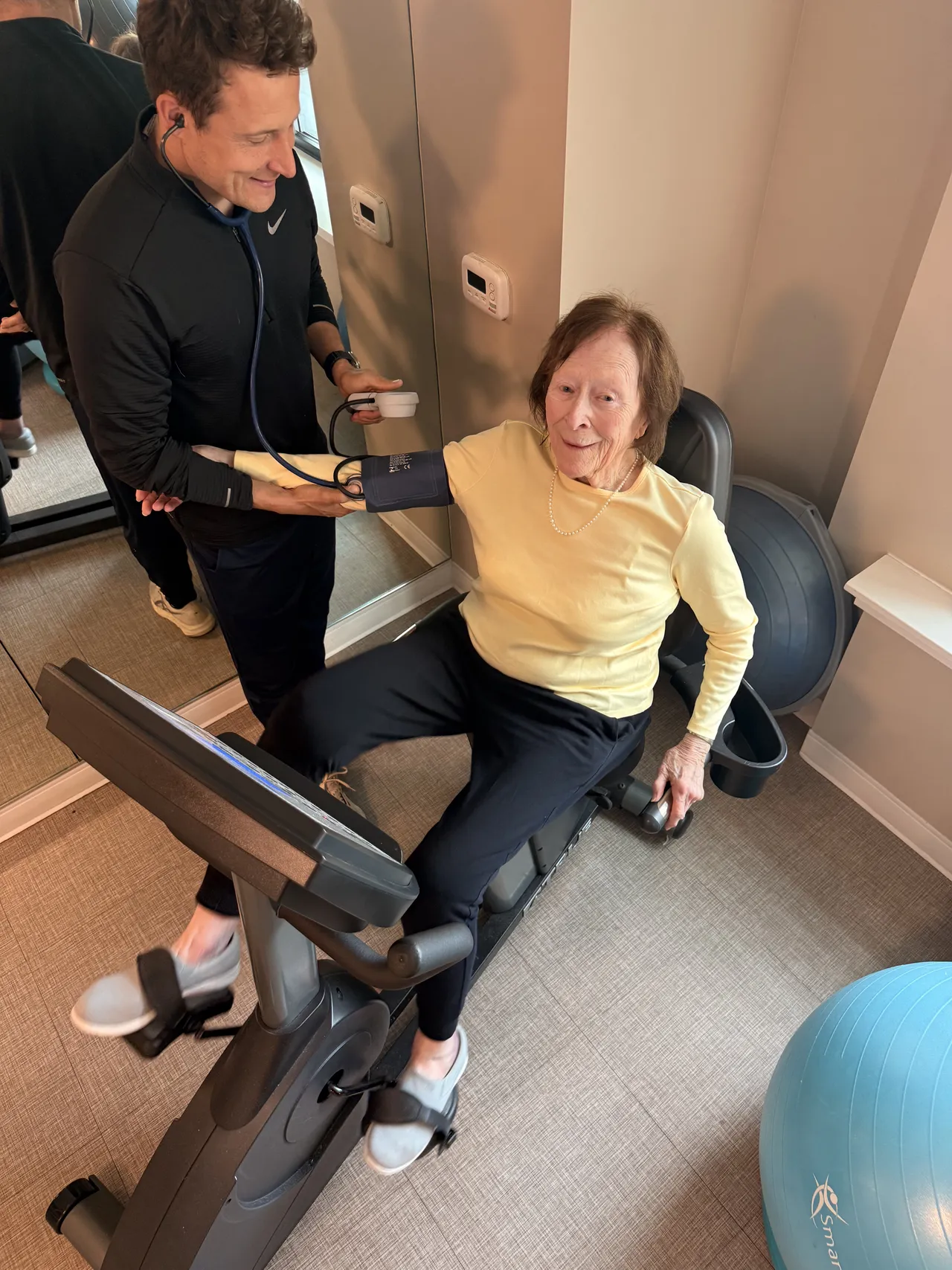
February is American Heart Month, the one time of year the whole country pauses to think about heart health. For me it is not a once a year topic. A lot of the people I train are older adults or clients managing blood pressure, a heart history, or a condition that touches the heart, so it is on my mind in every session.
Here is the good news I want you to take from this month. For most people, the right kind of exercise is one of the most protective things you can do for your heart. The key words are right kind. Let me walk you through what that means and how I keep it safe.
Why Movement Is So Good for Your Heart
Your heart is a muscle, and like any muscle it responds to being asked to work. Steady, well dosed exercise helps it in ways that add up over the years. It can help lower resting blood pressure, improve circulation, and make everyday effort feel easier, so the stairs and the groceries stop leaving you winded.
None of that requires punishing workouts. In fact, for heart health, consistency beats intensity almost every time. A body that moves most days, with a mix of walking, strength work, and a little conditioning, is doing more for its heart than a body that goes all out once and then sits for two weeks.
Train Alongside Your Heart, Not Against It
I am a trainer, not your doctor, and when the heart is in the picture I treat your medical team as part of the plan. If you have high blood pressure, a cardiac history, or a condition your physician is managing, the first thing I want to know is what they have cleared you for.
From there, I build the training to stay inside those lines. A few things I watch closely:
- Blood pressure. For clients with hypertension or a heart history, I check it before we start and I watch how it responds to effort. Certain movements and holding your breath can spike it, so we train in ways that keep it in a safe range.
- Warning signs. Chest discomfort, unusual shortness of breath, dizziness, or a racing or irregular heartbeat. I know what to look for, and we stop and reassess the moment something is off.
- Medications and timing. Some affect heart rate or blood pressure, and that changes how we structure a session.
This part of the work is personal for me. My father had a stroke, and walking through his recovery taught me how much careful, supervised movement matters when the stakes are real. I do not take it lightly with anyone I train.
Small, Steady Habits Are What Protect You
You do not need to overhaul your life this month to help your heart. The people who see the biggest change are the ones who build simple habits and keep them. A daily walk. Two or three strength sessions a week, scaled to where you are. Sitting less. Those quiet, repeatable choices are what add up to a stronger, steadier heart over time.
For my senior and clinical clients, I like to keep a close eye on this work. In person across the Tampa Bay Area, I can watch how your body responds in real time. When meeting in person does not fit, I coach online too, and we choose the format that keeps you safest.
Let’s Make This Heart Month Count
If a heart concern has kept you on the sidelines, or you just want to move in a way that supports your health without guessing, I would be glad to talk it through. I am happy to answer your questions and help you find a safe starting point. Book a free intro call and we will map it out together, no pressure at all.
Ready to train with Dario?
Book a free intro call and tell me your goals, or call me directly. We will find the right fit for you.