April 14, 2026 · Dario Mathias
Training Safely With an Injury or Chronic Condition
Worried exercise will make things worse? Done right, it is one of the safest ways to get stronger through injury, recovery, and chronic conditions.
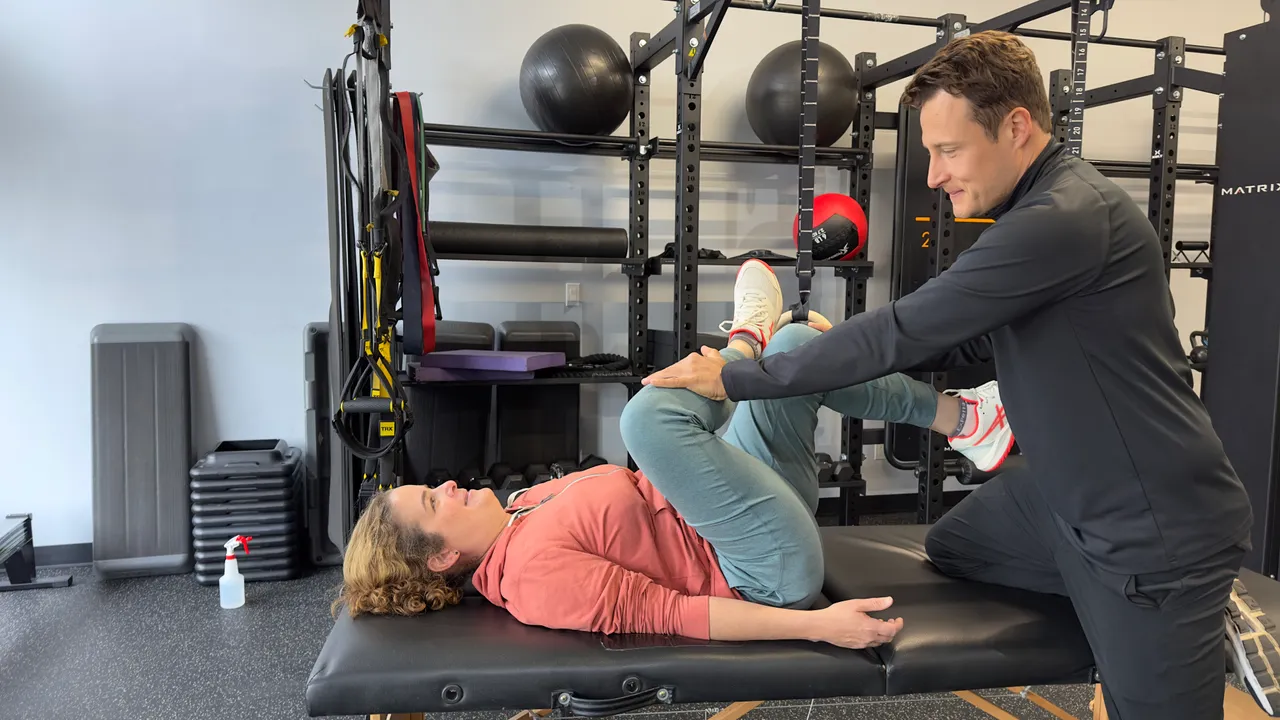
If you are managing an injury, recovering from something, or living with a condition like high blood pressure, diabetes, Parkinson’s, or a heart issue, you have probably been told two opposite things. One person says rest. Another says you have to stay active. So you end up stuck in the middle, nervous that the wrong move will set you back.
I have spent 22 years training people in exactly that spot, and here is what I tell every one of them. Done right, exercise is not the thing that hurts you. It is one of the most reliable things you can do to feel stronger and steadier. The key word is right. Let me walk you through what that actually looks like.
Movement Is Medicine When It Is Dosed Correctly
Think about how a doctor prescribes anything. The same medicine can help or harm depending on the dose, the timing, and whether it fits the person taking it. Exercise works the same way.
When someone comes to me after a cardiac rehab program, or with a recent joint injury, or with a Parkinson’s diagnosis, I am not trying to push them as hard as possible. I am trying to find the dose that helps. That means starting lighter than the ego wants, watching how the body responds, and adding load only when the body has earned it. The people who get hurt are usually the ones who skip that middle part and jump straight from the couch to a hard workout.
Slow is not the same as soft. We can do meaningful, challenging work while staying well inside the lines that keep you safe.
Train Alongside Your Medical Goals, Not Against Them
I am a trainer, not your doctor, and I work best when I treat your medical team as part of the plan. If you are in recovery or managing a condition, the first thing I want to understand is what your physician or physical therapist has cleared you for and what they want you to avoid.
From there, my job is to build the training around those goals. A few things I pay close attention to:
- Blood pressure. For clients with hypertension or a heart history, I check it before we start and I watch how it responds to effort. Certain movements and breath-holding can spike it, so we train in ways that keep it in a safe range.
- Warning signs. Dizziness, unusual shortness of breath, chest discomfort, a joint that sharpens instead of warms up. I know what to look for, and I stop when something is off.
- Medications and timing. Some affect heart rate, balance, or blood sugar, and that changes how we structure a session.
This part of my work is personal to me. My father had a stroke, and it taught me how much steady, supervised movement matters when the stakes are real. I do not take that lightly with anyone I train.
Corrective Exercise: Fixing the Cause, Not Chasing the Pain
A lot of pain and a lot of injuries are not random. They come from how the body is moving. A hip that does not extend well, a shoulder that rounds forward, an ankle that lost its mobility years ago. The body compensates, and over time something downstream complains.
Corrective exercise is how I address that. Instead of only treating where it hurts, I look at posture, imbalances, and movement patterns to find why it hurts. We strengthen what is weak, mobilize what is stiff, and retrain the pattern so the same problem stops coming back. For someone nervous about reinjury, this is often the most reassuring work we do, because you start to feel your body move the way it is supposed to.
Smart Progression Is What Keeps You Safe
The biggest mistake I see is people measuring a workout by how wrecked they feel afterward. With a condition or an injury in the picture, that is exactly the wrong scoreboard.
We progress slowly and deliberately. We add a little, confirm your body handled it, then add a little more. We leave something in the tank. Good sessions should leave you feeling more capable, not beaten up. Over weeks and months, that patient approach adds up to real strength, better balance, and a lot less fear about everyday movement.
One note for my older clients and anyone with a clinical condition: this kind of close work benefits from real-time monitoring and a hands-on eye. Training in person across the Tampa Bay Area, I can be right there watching how your body responds. When meeting in person does not fit your situation, online coaching is an option too, and we choose the format that lets me keep you safe.
If you have been sitting on the sidelines because you are not sure what is safe, let’s talk it through. I am happy to answer your questions and help you figure out a smart starting point. Book a free intro call and we will go from there, no pressure at all.
Ready to train with Dario?
Book a free intro call and tell me your goals, or call me directly. We will find the right fit for you.