A lot of pain is not random. A shoulder that rounds forward, a hip that stopped extending years ago, an ankle that never got its motion back after a sprain. The body compensates, and something downstream starts to complain. Corrective exercise is how I find the cause and fix it, instead of only treating where it hurts.
What corrective exercise is
It is a way of training that starts with an assessment instead of a workout. I screen how you move, identify the imbalances and compensations, and build a program that strengthens what is weak, mobilizes what is stiff, and retrains the pattern so the same problem stops coming back.
I hold a specialty in corrective exercise and functional movement screening, and it shapes how I coach every client, not only the ones who come in with a complaint. Catching a compensation early is the cheapest injury prevention there is.
Who this is for
- Desk workers with a stiff neck, a tight lower back, or hips that feel locked
- People with a nagging shoulder, knee, or back that flares up every time they try to get fit
- Anyone finishing physical therapy who wants to keep progressing safely
- Athletes and weekend warriors who keep re-injuring the same spot
- Older adults who have lost overhead reach or hip mobility and have quietly reorganized their lives around it
What a session looks like
The first session is mostly assessment. A functional movement screen, a look at your posture standing and moving, and a conversation about your history. I want to know what hurts, when, and what you have already tried.
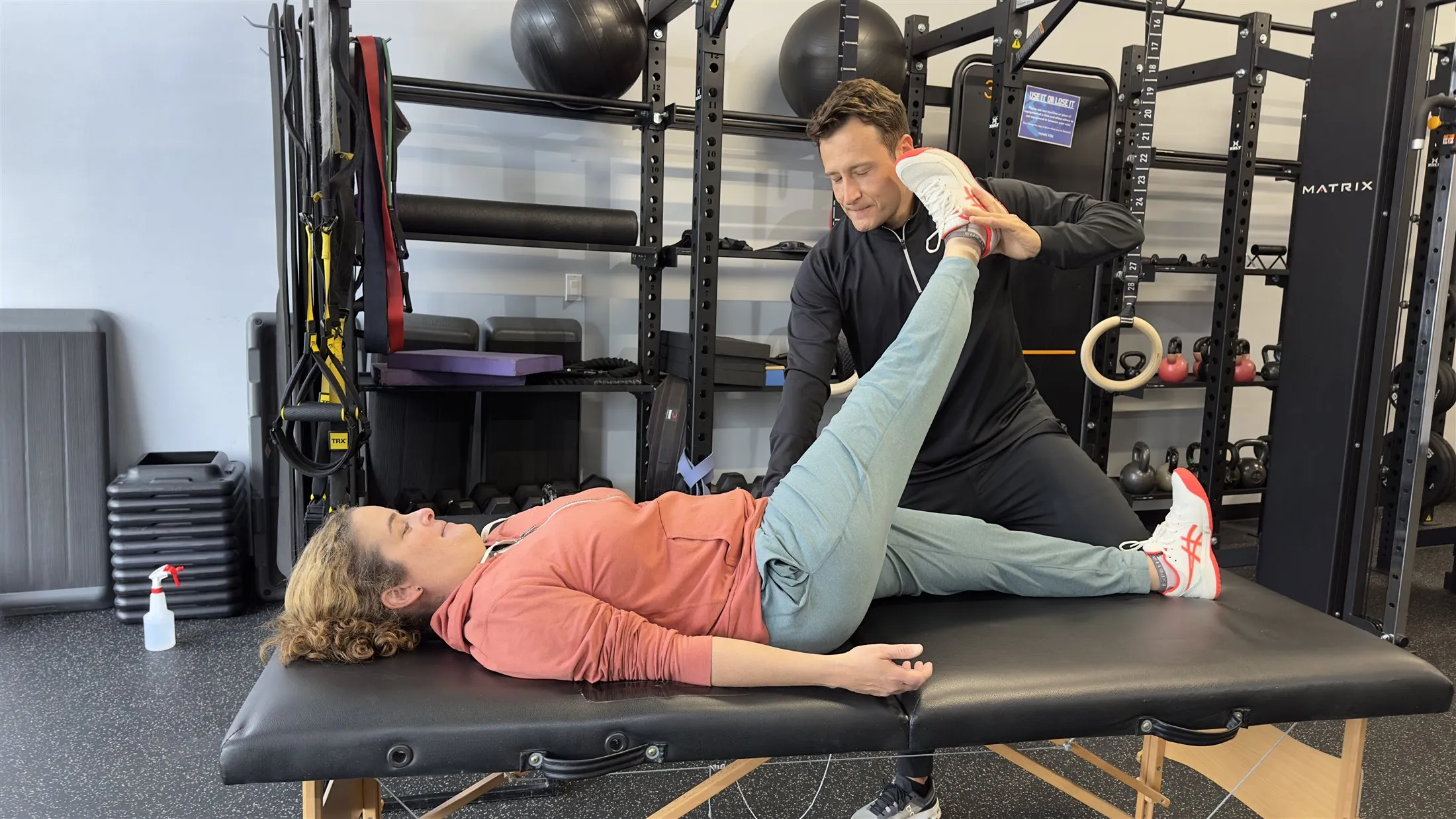
After that, sessions blend three things: mobility work for what is stiff, targeted strength for what is weak, and practice of the corrected pattern under load. Assisted stretching, done one-on-one on the table, is part of the toolkit when range of motion is the limiter. So is plain strength training, because a joint that moves well but has no strength behind it is not fixed.
What it will not do
Corrective exercise is not a replacement for a diagnosis. If something is structurally injured, you need a physician or a physical therapist first, and I am glad to work alongside them. What I can do is make sure that once you are cleared, the pattern that caused the problem does not send you back.
In person or online
Assessment and most of the programming work well live by video. Hands-on work, including assisted stretching, happens in person across the Tampa Bay Area. Many clients start in person and move to a mix once they know the movements.
"I have worked with Dario for over 10 years. I'm a 77 year old woman who used to think I was in relatively good shape, but the work with Dario brought me to a new level. When I had a major accident, the sessions with Dario brought me back to the full use of my injured foot and ankle. He is a true professional and his specialty in working with older people in particular is outstanding."
Common Questions
Is corrective exercise the same as physical therapy?
No. Physical therapy treats an injury or a diagnosis and is prescribed by a medical provider. Corrective exercise is training that addresses how you move. It works well after you have been discharged from PT, or when nothing is technically injured but something keeps hurting.
How do you find what is wrong?
With a functional movement screen: a short set of movements, a squat, a lunge, an overhead reach, a hinge, that show me where you compensate. Then I look at posture and how you move in everyday tasks.
How long before I feel a difference?
Most people notice something within a few weeks, because the first changes are about moving differently, not about building tissue. Lasting change takes a couple of months of consistent work.
Do you offer assisted stretching?
Yes. One-on-one assisted stretching is part of how I work with tight hips, stiff shoulders, and limited range of motion, usually paired with strength work so the new range sticks.
Can this be done online?
The screen and most of the programming can be done live by video. Hands-on work like assisted stretching needs to be in person.
From the Blog
April 14, 2026
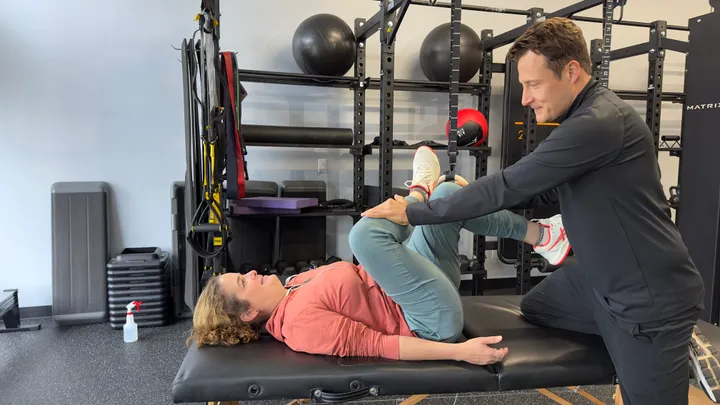
Training Safely With an Injury or Chronic Condition
Worried exercise will make things worse? Done right, it is one of the safest ways to get stronger through injury, recovery, and chronic conditions.
Read more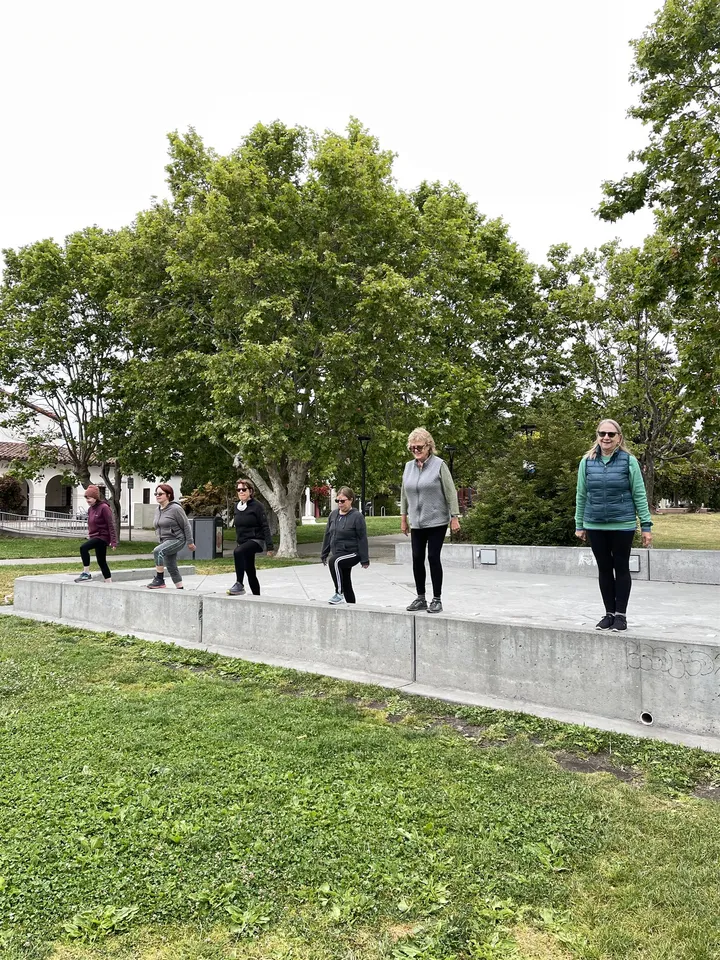
August 4, 2026
Five Things You Should Still Be Able to Do at 70 (Try These at Home)
Five simple self-tests for strength, balance, and mobility after 70. What good looks like, what a low score is telling you, and how to fix each one.
Read more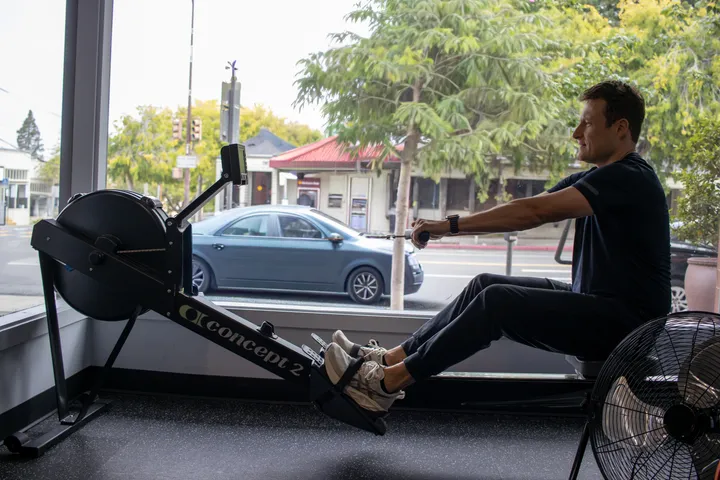
January 13, 2026
Train for Life: Build Strength That Lasts Past February
Most New Year fitness plans collapse by February. Here is how I build strength my Tampa clients can actually sustain for the long run.
Read moreOther Ways to Train With Me
- Senior Fitness Personal training for adults over 60 in the Tampa Bay Area, built around strength, balance, and staying independent. In person or online, with a clinical eye on every session.
- Strength & Conditioning One-on-one strength and conditioning coaching in the Tampa Bay Area for adults of every age and level. Functional strength, endurance, and power, programmed on real exercise science and progressed at your pace.
- Specialized Health & Clinical Exercise Specialized personal training for clients managing cardiac rehab, Parkinson's, diabetes, hypertension, obesity, and osteoarthritis, in the Tampa Bay Area or online. Training that works alongside your medical plan.
- Online & Remote Coaching Live one-on-one personal training by video from anywhere. Real-time form checks, a program that progresses week to week, and steady accountability from a coach with 22+ years of experience.
Not sure which fits? Let's talk.
A relaxed 15-minute call to hear your goals and find the right format and schedule. No pressure, no obligation.